

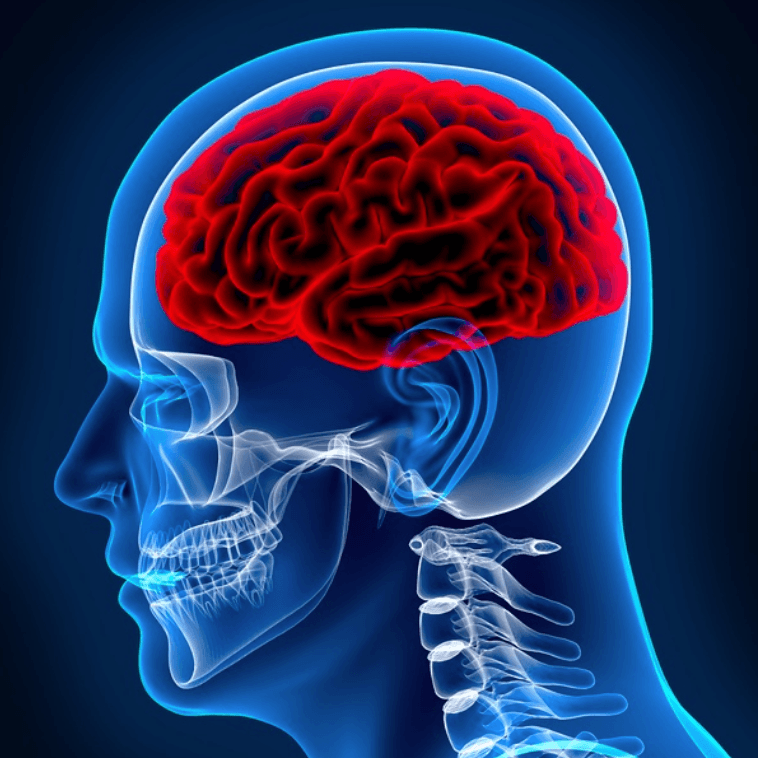
Head and Brain Injury

Traumatic injury to the head can damage the delicate tissues of the brain. Even if the full damage is not visible, brain injuries are often serious and life altering. The symptoms of brain damage vary widely, depending upon the type and extent of the injury. The most common causes of traumatic head injuries are motor vehicle accidents, falls, and firearms. Even relatively modest blows to the head can cause a brain injury.
Two Categories of Brain Injury
Often, traumatic brain injuries are classified into two categories: penetrating head injury and closed head injury.
1. A penetrating head injury, or open wound, is visible and involves an actual penetration of the skull and brain tissue.
2. A closed head injury is the more common type of traumatic brain injury. These vary widely in severity. For example, a minor concussion is a form of closed head injury. On the other end of the spectrum, a closed head injury can result in complete disability, loss of physical function and cognitive ability, or even death.
Symptoms of Brain Injury
Sometimes the symptoms of a profound head injury are not immediately apparent. However, there are recognized symptoms of brain damage. Signs of closed head injury include unconsciousness at the accident site, a coma, or seizure(s). If an individual sustains an injury to the head, it is important to seek immediate medical attention.
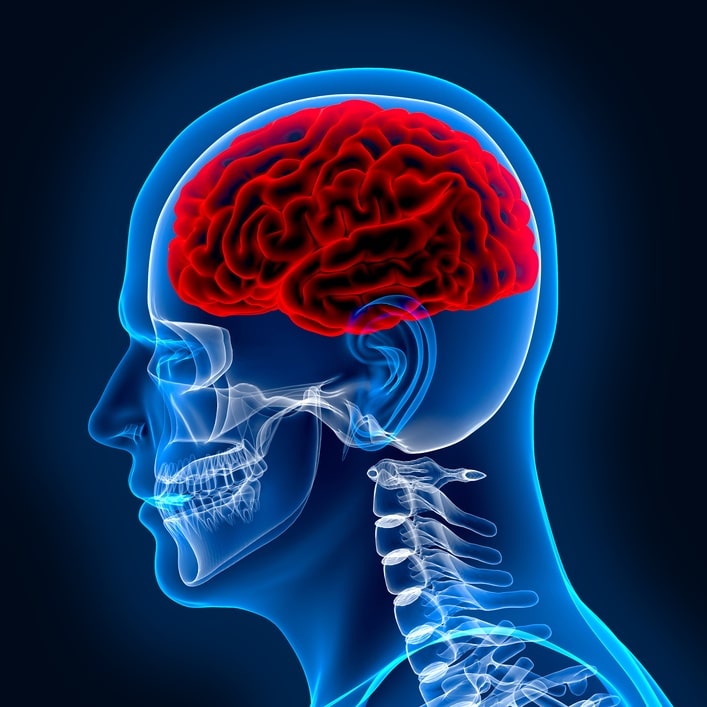
Sometimes, a brain injury initially goes unnoticed. An injured person in a car accident may not remebver stirkign their head during the accidnet. And the adrenaline during the accident dulls the pain.
But a severe headache which comes on later that day or over the next several days can definitely be related to a traumatic brain injury.
A person can suffer a ‘coup-countercoup’ traumatic brain injury simply from a rapid moving of the head back and forth, such as a result of a ‘whiplash from a car accident or from a fall, or some sort of blow to the head. Even if a CT scan does not show a subdural hematoma (bleeding on the brain), a person can still have sustained a brain injury.
Doctors and other brain injury specialist do not rely only on objective testing such as CT scans or brain MRI’s to diagnose concussion or brain injury. Signs of such injuries include sleep disruption, headache, personality change, sudden weight gain or loss, among many others.
If you suspect a brain injury to yourself or a loved one, then you should definitely let your doctor know so he or she can refer you to the appropriate medical professional for screening. A brain injury is very serious, and you should not wait to address it if you suspect you might have that problem.
"Hiring Scott was one of the best moves I have made in my life....5 star first class act who really knows his stuff."


Free Consult.
Call Any Time,
Night or Day.
Why not get a free consultation?
Here how it goes:
- You call for free (or I can call you).
- I listen to your story.
- I answer your questions & concerns.
- I tell you my plan.
- You can hire me or not hire me, your choice.
- Either way, we end up as friends.
Sound good?
Not Ready to talk?
Click the button below and tell me about your situation and what's going on.
I look forward to hearing from you and about your injury case and what I can do to help.